Training for your Goals

April 3, 2024

A jagged dark mass curves beneath a bright, white background.

Most people have health and fitness goals. Even if they do not officially fill out a questionnaire or answer specific questions, everyone has ways they would like to improve their health and change their physique. Whether it is getting off medication, going down a shirt size or feeling toned, many people have something related to their health and fitness on their mind each day. 

However, in our experience, many clients come to us with specific goals and desires and the wrong understanding of how to get there. For example, someone may tell us they wanted to lose belly fat, so they bought a BowFlex. Others may tell us they want to be stronger with more muscle in their arms and legs, so they bought an exercise bike. 

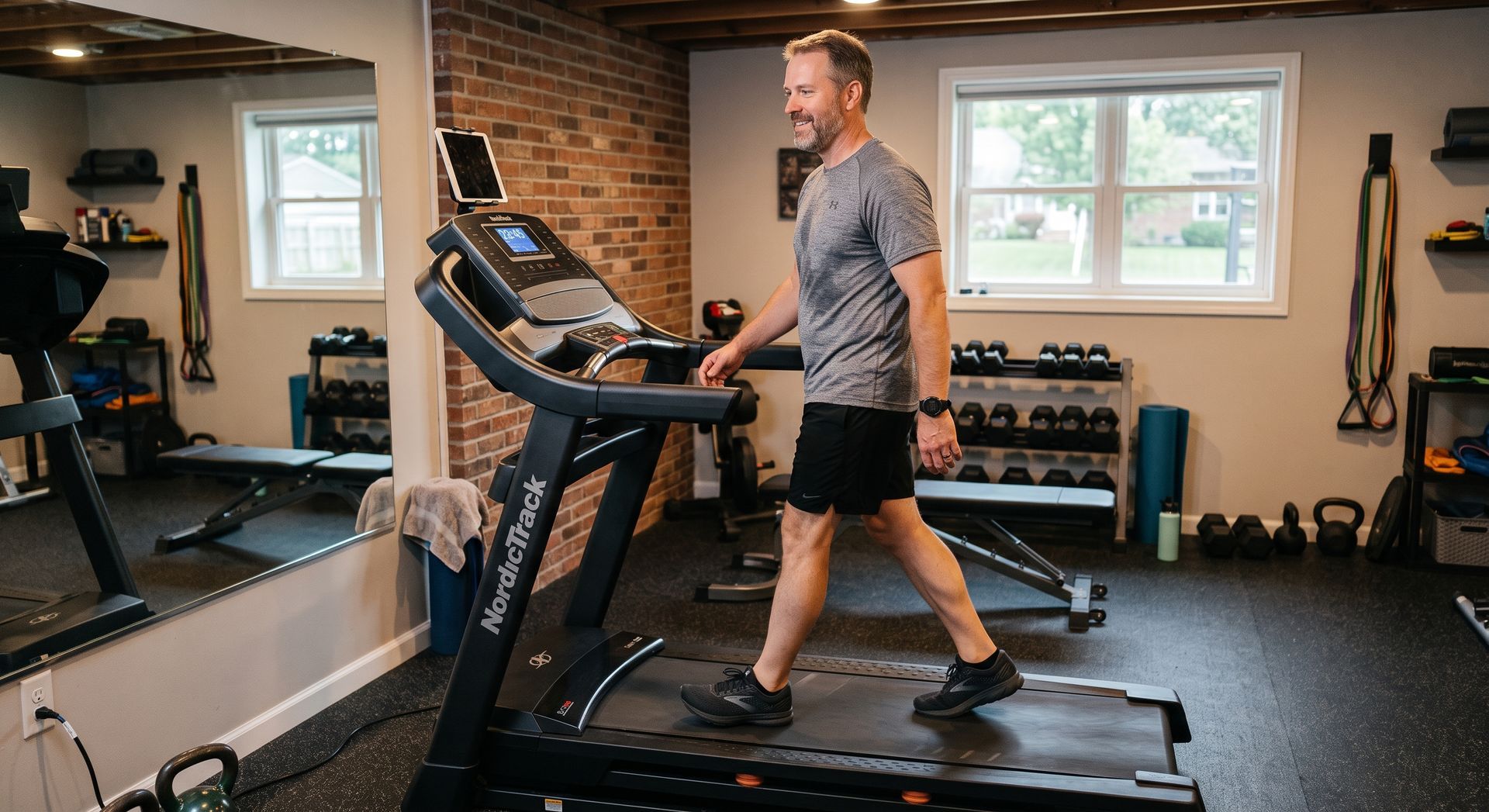
We even see people do lots of stomach crunches and sit-ups because they want a flatter stomach, not knowing there are better ways to achieve that. Most commonly, people join a gym and only end up using the treadmill because they are too unfamiliar with what else they should be doing. 

Although all exercise is good for weight loss, toning, building strength and reshaping your body, many people do not understand the ways they should be exercising based on their body and goals. 

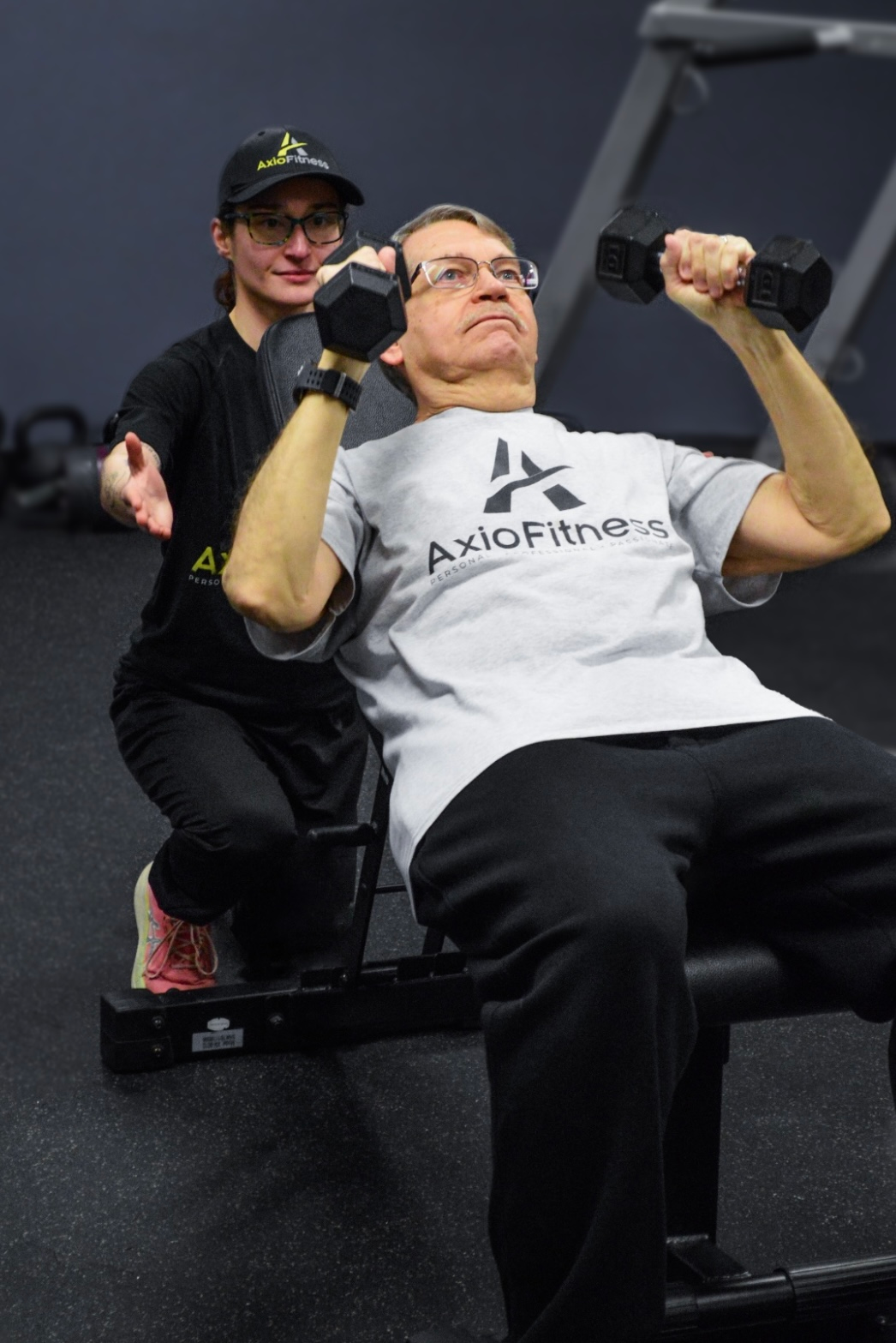
At Axio Fitness, we do thorough, scientific assessments with all clients. After that, we set 6-week goals, and we train the clients based on those goals. We also give them a cardio prescription and nutrition plan specific to their six-week goals. 

All exercise is good! But goal specific training will obviously be the quickest and best way to get you where you want to be. 

If you need personal attention and professional guidance, call Axio Fitness! 

Share Post

Our Recent Blogs
July 21, 2026
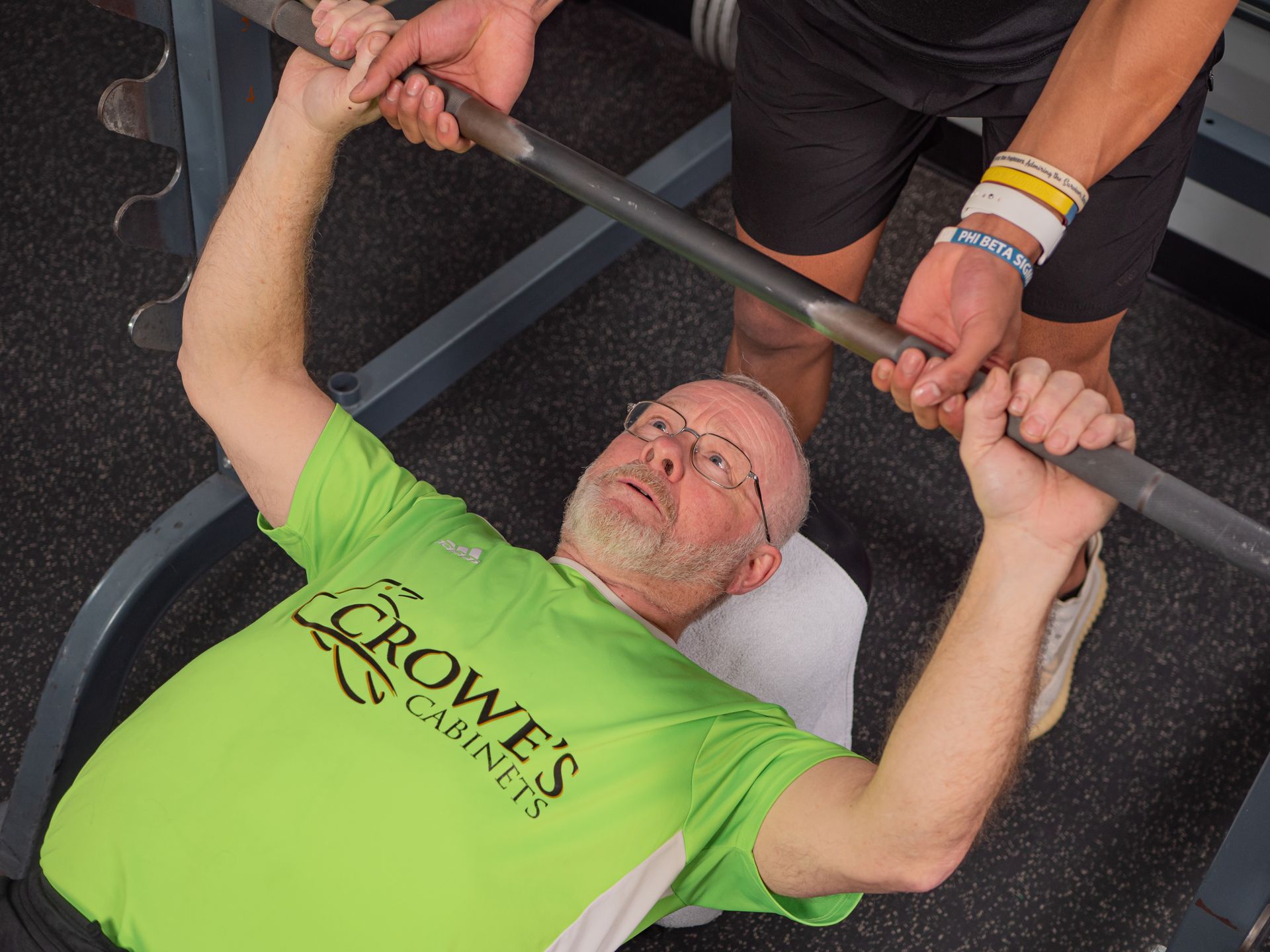
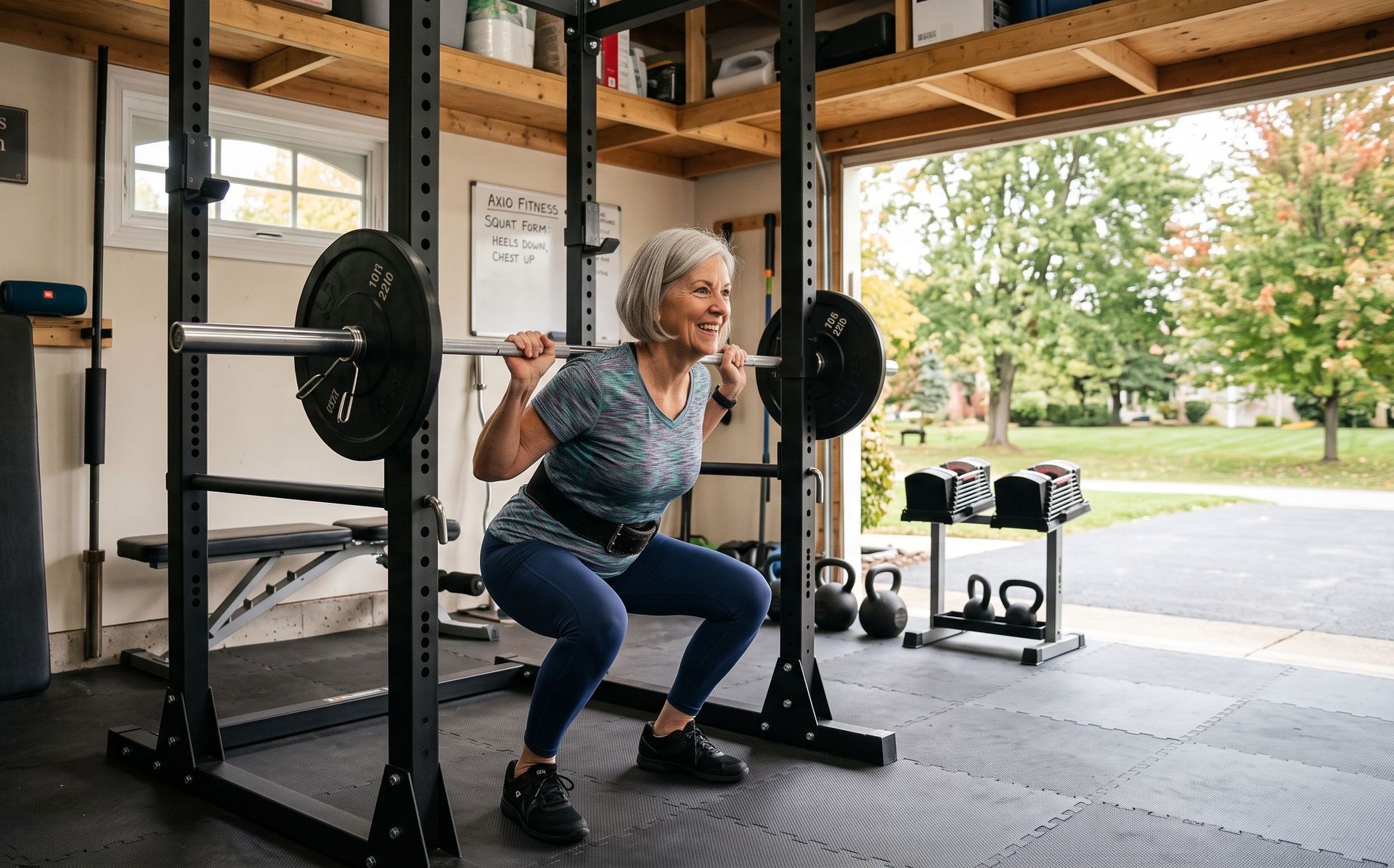
Strength Training for your Brain While people usually think of "brain exercises" as crosswords or Sudoku, lifting weights triggers a cascade of chemical reactions in your body that directly build and protect your brain. The Secret: Brain-Derived Neurotrophic Factor (BDNF) When your muscles contract against resistance, they release signaling molecules into your bloodstream that cross into the brain. The most critical of these is BDNF—often called "Miracle-Gro for the brain." BDNF does three crucial things: Stimulates neurogenesis: It helps your brain grow brand-new neurons (brain cells). Protects existing neurons: It acts like armor against cognitive decline, dementia, and Alzheimer's. Strengthens synapses: It strengthens the connections between brain cells, which directly improves how fast you learn and recall information. Resistance Training can also support your memory: While cardio is great for general blood flow, studies show that progressive resistance training specifically targets the hippocampus—the brain's command center for memory and complex learning. In fact, research published in Archives of Internal Medicine showed that older adults who participated in resistance training twice a week for six months not only slowed cognitive decline but actually improved their spatial memory and executive function (the ability to plan, focus, and multitask). If you need help getting started on a proper strength training program, Axio Fitness is here to help.
July 16, 2026
Local festivals and county fairs are officially here! If you look forward to any of the local fair and festival traditions, you don’t have to lock yourself in a room to protect your fitness progress. Here are three quick, realistic ways to enjoy the best of the Valley while keeping your health on track: Log the Steps: The Canfield Fairgrounds alone span over 350 acres. Put on your comfiest sneakers and walk the barns, the grandstands, and the exhibition halls. You’ll easily clock 10,000+ steps before the demolition derby even starts! The "Share" Rule: You don't need to completely skip the stromboli, fries, or those famous lemon shake-ups. Instead, buy one and split it with family or friends. You get the iconic tastes you crave without the calorie overload. Hydrate First: July and August heat is no joke. Drink a full bottle of water before hitting the food rows. Often, our bodies mistake mild dehydration for hunger, which leads to mindless grazing. Go enjoy the lights, the livestock, and the community—guilt-free!
June 22, 2026
Should you grab that iced coffee or pre-workout scoop before heading to Axio Fitness? Caffeine is one of the most thoroughly researched performance enhancers out there, but it is not a one-size-fits-all solution. Here is what you need to know before you caffeinate. The Pros: • Enhanced Performance: Caffeine blocks adenosine (the brain chemical that makes you feel tired), injecting a massive surge of energy into your workout. • Greater Power & Endurance: Studies show it can increase muscle endurance by up to 4% and peak power output by up to 7%. • Sharper Focus: It tunes your mind into the mind-muscle connection, helping you push through those final reps. The Cons: • The Crash: What goes up must come down. Jitters during your workout can easily turn into a mid-afternoon energy slump. • Digestive Distress: Caffeine stimulates your digestive tract, which can cause an upset stomach mid-workout. • Sleep Disruption: If you train in the evening, caffeine can linger in your system for up to eight hours, interfering with your recovery sleep.  If you tolerate it well, around 100 milligrams of caffein about 45 minutes before training can give you an edge. Just listen to your body and keep your late-day sessions caffeine-free! Most importantly, you should consult with your doctor before beginning a workout routine; especially a caffeinated workout routine.
June 15, 2026
We’ve all been there: the day after an intense workout, your muscles are screaming, and the couch is calling your name. While a total rest day feels tempting, parking yourself on the sofa really isn't the fastest way to bounce back. Active recovery, which is performing low-intensity exercise, gets your heart pumping blood to your muscles without straining your muscles. Examples include a light walk, a bike ride or swim. Even a couple hours of house work could help alleviate sore muscles. Instead of shutting down completely, keeping your body in motion serves as a literal flushing mechanism. It boosts blood circulation, delivering fresh oxygen and vital nutrients directly to your damaged muscle tissues. This process actively clears out metabolic waste products like lactic acid, significantly reducing that dreaded next-day soreness. Think of it this way: a total rest day leaves your muscles stiff and tight, like a parked car in the winter. Active recovery keeps the engine idling, preserving your flexibility and joint mobility. Next time you finish an intense training session at Axio, don't just collapse on the couch the next day. Go for a walk and let your movement do the healing! 
More Posts

Leave a Reply

Your email address will not be published.

Required fields are marked *

Save my name, email, and website in this browser for the next time I comment.