The Power of Protein

July 14, 2025

A jagged dark mass curves beneath a bright, white background.

Fueling Your Muscles for Faster Recovery

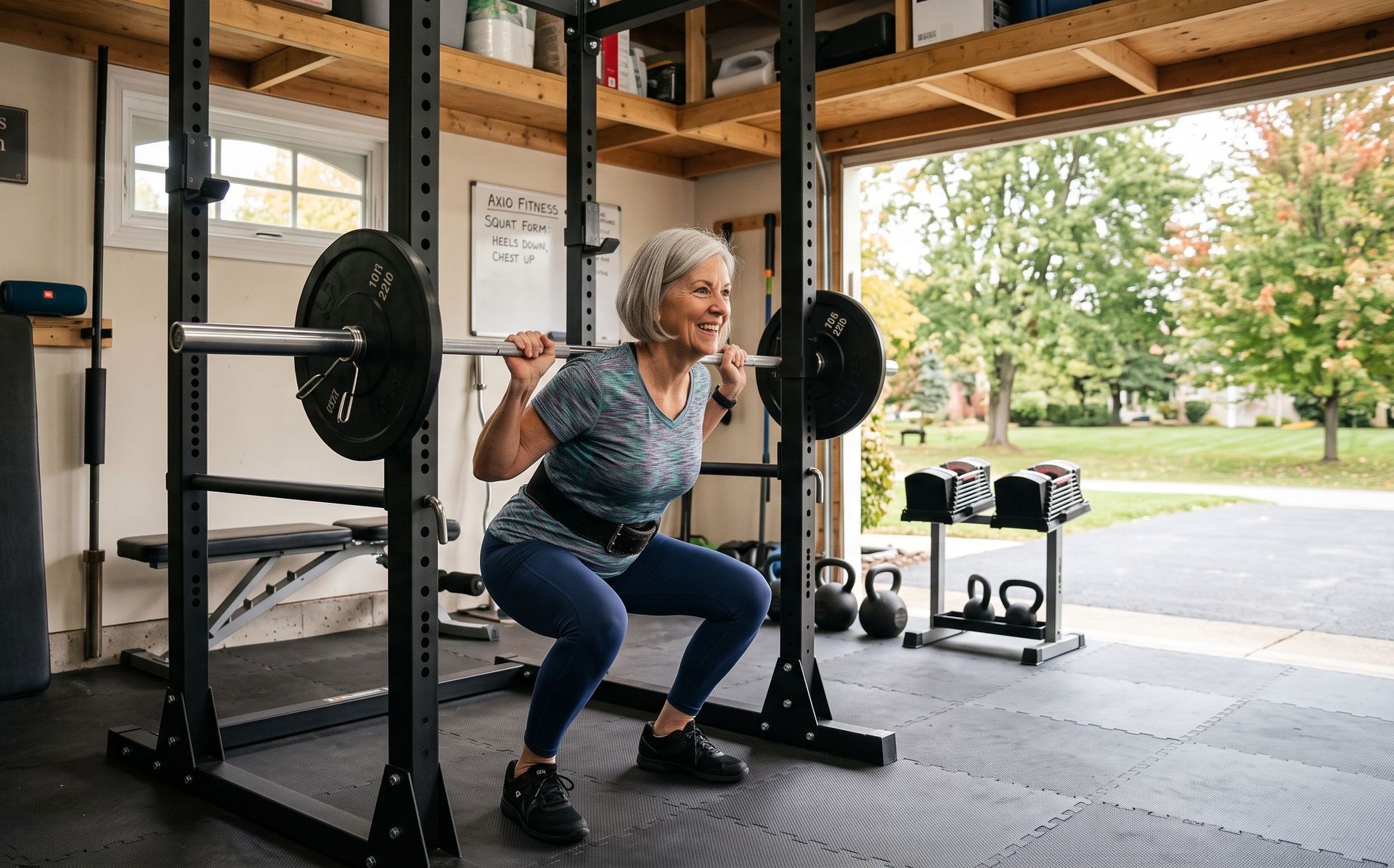
You've just crushed a workout. Whether it was a grueling strength session, a long run, or an intense HIIT class, your muscles are feeling it. Maybe a little sore, a little fatigued. This is completely normal – your body is adapting and getting stronger. But to truly maximize those gains and minimize downtime, there's one nutrient that stands head and shoulders above the rest: protein.

For anyone serious about fitness, or even just looking to support their body's natural repair processes, understanding the critical role of protein in muscle recovery is non-negotiable.

What Happens During Exercise? The Micro-Damage

When you exercise, especially with resistance training, you're intentionally creating microscopic tears in your muscle fibers. This might sound counterintuitive, but it's actually the first step in building stronger, more resilient muscles. Think of it as controlled "damage" that signals your body to repair and rebuild, often making the muscle fibers thicker and stronger than before.

Enter Protein: The Building Blocks of Repair

This is where protein steps in as the ultimate hero. Protein is made up of amino acids, which are essentially the fundamental building blocks of life. When you consume protein, your body breaks it down into these individual amino acids. These amino acids are then ferried to your muscles, where they get to work:

• Repairing Damaged Fibers: The amino acids act like tiny construction workers, patching up those microscopic tears in your muscle fibers.

• Building New Tissue: Beyond just repair, they also help synthesize new muscle proteins, leading to muscle growth (hypertrophy) and increased strength.

• Replenishing Stores: While carbohydrates are the primary fuel, protein also plays a role in replenishing energy stores, particularly in longer, more intense bouts of exercise.

Don't underestimate the power of protein. It's not just for bodybuilders; it's essential for anyone who wants to recover effectively from exercise, build strength, and maintain overall muscle health. Prioritize quality protein in your diet, particularly around your workouts, and give your muscles the fuel they need to bounce back stronger, faster, and ready for your next challenge.

Share Post

Our Recent Blogs
June 2, 2026
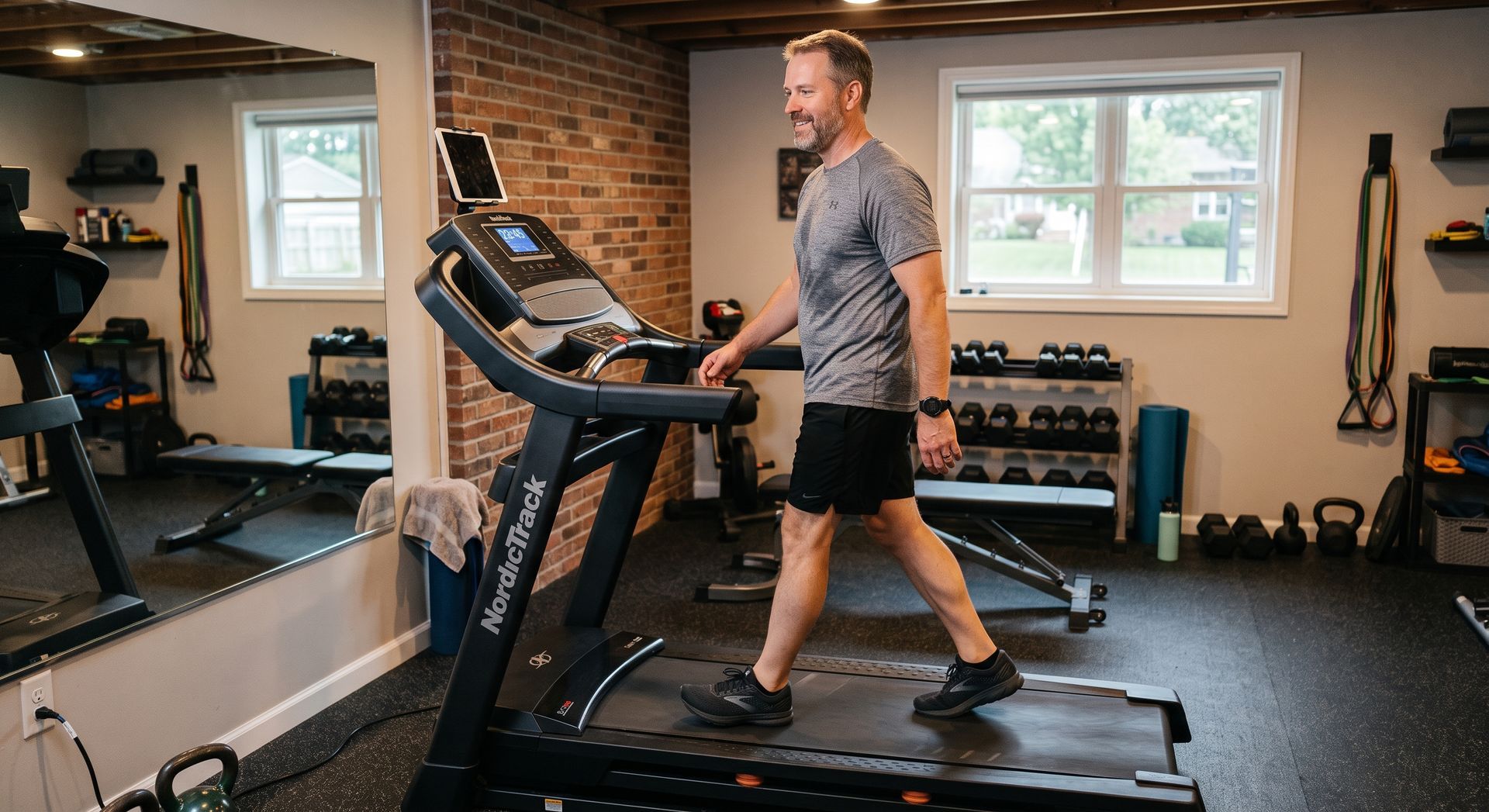
In his bestselling book Outlive: The Science and Art of Longevity , Dr. Peter Attia introduces a critical concept for anyone looking to extend their health span: Zone 2 aerobic training. While many fitness trends push for high-intensity, exhausting workouts, Dr. Attia argues that the true foundation of long-term health lies in steady-state, moderate-intensity exercise. Zone 2 training is a pace where you can maintain a conversation but would prefer not to. At this level of effort, your body relies almost entirely on fat oxidation, which triggers mitochondrial biogenesis—the creation of new, more efficient powerhouses within your cells. This drastically improves metabolic flexibility, lowering the risk of insulin resistance, type 2 diabetes, and cardiovascular disease. Essentially, it builds a robust cardiovascular engine that supports you well into old age. Although plenty of other studies have proved that high-intensity workouts drastically reduce the risk of developing many chronic diseases, Dr. Peter Attia makes a compelling case as to why prioritizing time in Zone 2 cardio will reap many benefits. At Axio Fitness we are always studying the latest information and trends for our clients. If you need help getting started on an exercise program or cardio plan, Axio Fitness is here to help. We will give you the guidance and accountability you need to see results.
May 18, 2026
With the weather getting warmer and summer coming, there is no better time to take your fitness routine into nature. While we love seeing you crush your goals inside Axio Fitness, stepping outdoors for a hike offers unique physical and mental health benefits that complement your studio workouts perfectly. For starters, hiking is a fantastic cardiovascular workout that naturally incorporates interval training. Navigating inclines and declines builds lower-body strength—targeting your glutes, hamstrings, quadriceps and calves—while uneven terrain challenges and improves your core stability and balance. Beyond the physical perks, spending time in green spaces is proven to lower cortisol levels, reducing stress and boosting your mood. We are so blessed to have Mill Creek Park right in our backyard. Boasting miles of beautiful, diverse trails, it is the perfect local playground to put your fitness to the test. Whether you are looking for a brisk cardio walk on the Gorge Trail or a more challenging trek around Lake Newport, there is a path for every fitness level. Grab your water bottle, lace up your sneakers, and take advantage of the sunshine this week. Your body and mind will thank you! 
May 7, 2026
We’ve all been there: reaching for a third cup of coffee by 2:00 PM just to keep our eyes open. While caffeine offers a temporary fix, the secret to sustained, natural energy isn't found in a mug—it’s built in the gym or on the trails. Being in good physical shape fundamentally changes how your body manages fuel. When you prioritize cardiovascular health and muscle tone, you are essentially "upgrading your engine." Regular exercise increases mitochondrial density—the tiny power plants in your cells—allowing you to produce energy more efficiently. Why Fitness Equals Stamina: • Enhanced Oxygen Transport: A strong heart pumps more blood per beat, delivering vital oxygen to your brain and muscles with less effort. • Blood Sugar Regulation: Improved insulin sensitivity prevents the dreaded "sugar crash," keeping your moods and energy levels stable throughout the day. • Better Sleep Quality: Physical exertion helps regulate your circadian rhythm, ensuring you wake up truly refreshed.  Investing in your fitness isn't just about aesthetics; it’s about building stamina to excel at work, engage with your family, and enjoy your hobbies without hitting a wall. Stop managing your fatigue and start building your vitality.
April 21, 2026
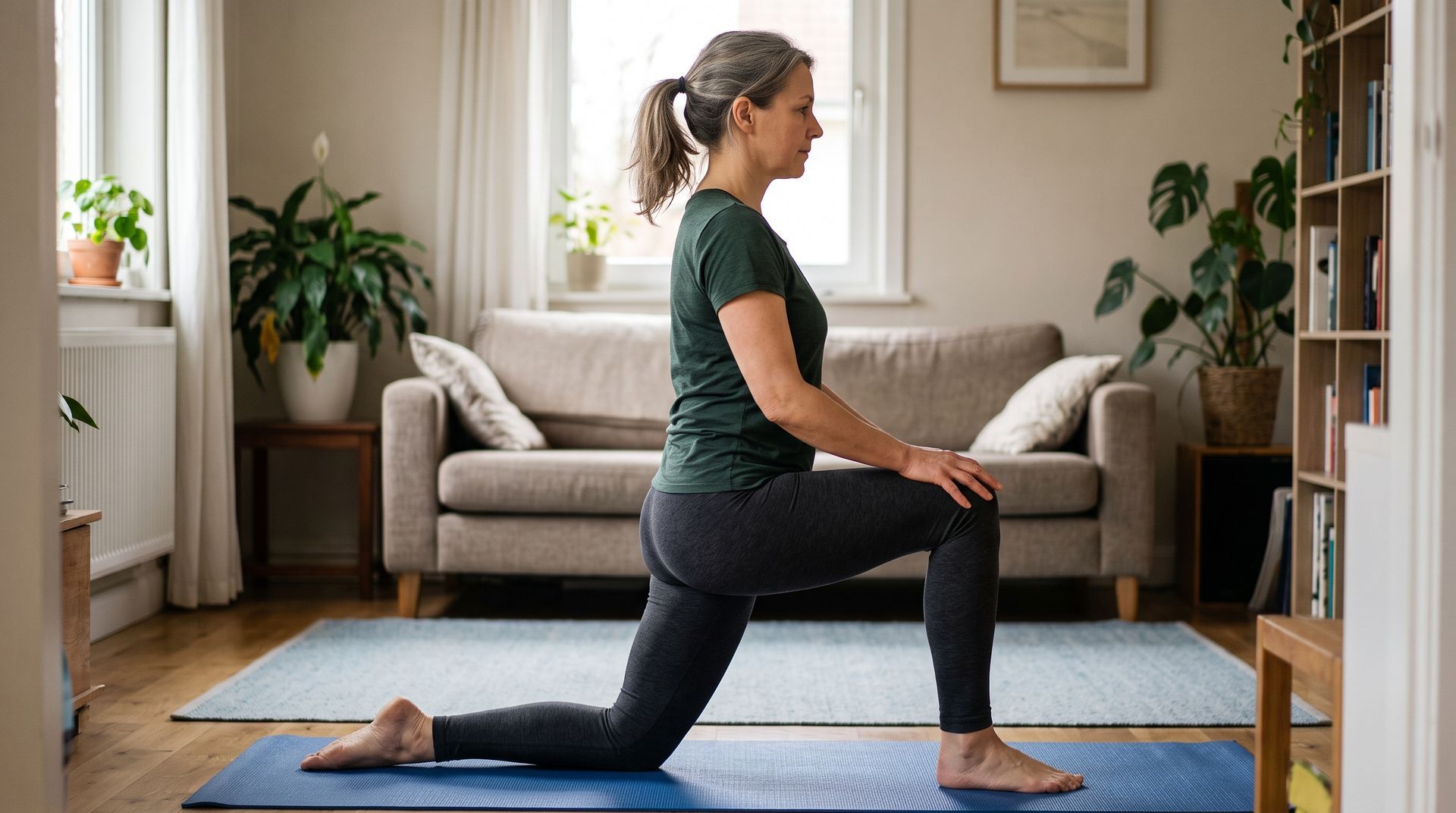
Whether you’ve just crushed a session at Axio Fitness or tackled a weekend hike, that familiar "stiff and sore" feeling—known as Delayed Onset Muscle Soreness (DOMS) —is a rite of passage for the active body. But what is actually happening under the skin? What’s Going On? Contrary to the old myth, soreness isn't caused by lactic acid. When you challenge your body with new exercises or higher intensity, you create microscopic tears in your muscle fibers. This might sound scary, but it’s actually the catalyst for growth! Your body responds by triggering a mild inflammatory process to repair the damage, eventually making those fibers stronger and more resilient than they were before. How to Find Relief While you can’t "cure" DOMS instantly, you can certainly manage the discomfort and speed up the recovery process: Keep Moving: It sounds counterintuitive, but "active recovery" (like a light walk or easy cycling) increases blood flow to the muscles, helping to deliver much-needed nutrients to the repair site. Hydrate & Fuel: Muscles need water and protein to repair those micro-tears effectively. Proper nutrition is the foundation of recovery. Massage & Recovery Tools: Soft tissue work is a game changer. Whether it's a professional massage or using tools like foam rollers and massage guns, applying pressure to the affected area helps break up tension, improve circulation, and reduce muscle tightness. Remember, soreness is a sign of progress, not a requirement for a good workout. Listen to your body, prioritize your recovery, and we’ll see you back at Axio Fitness for your next session!
More Posts

Leave a Reply

Your email address will not be published.

Required fields are marked *

Save my name, email, and website in this browser for the next time I comment.