
The Heart: Your Most Important Muscle
August 24, 2026

Just like lifting weights strengthens your biceps, getting your heart rate up trains your cardiovascular system. Your heart is primarily made of cardiac muscle tissue, and regular physical activity challenges it to adapt, grow stronger, and operate far more efficiently.
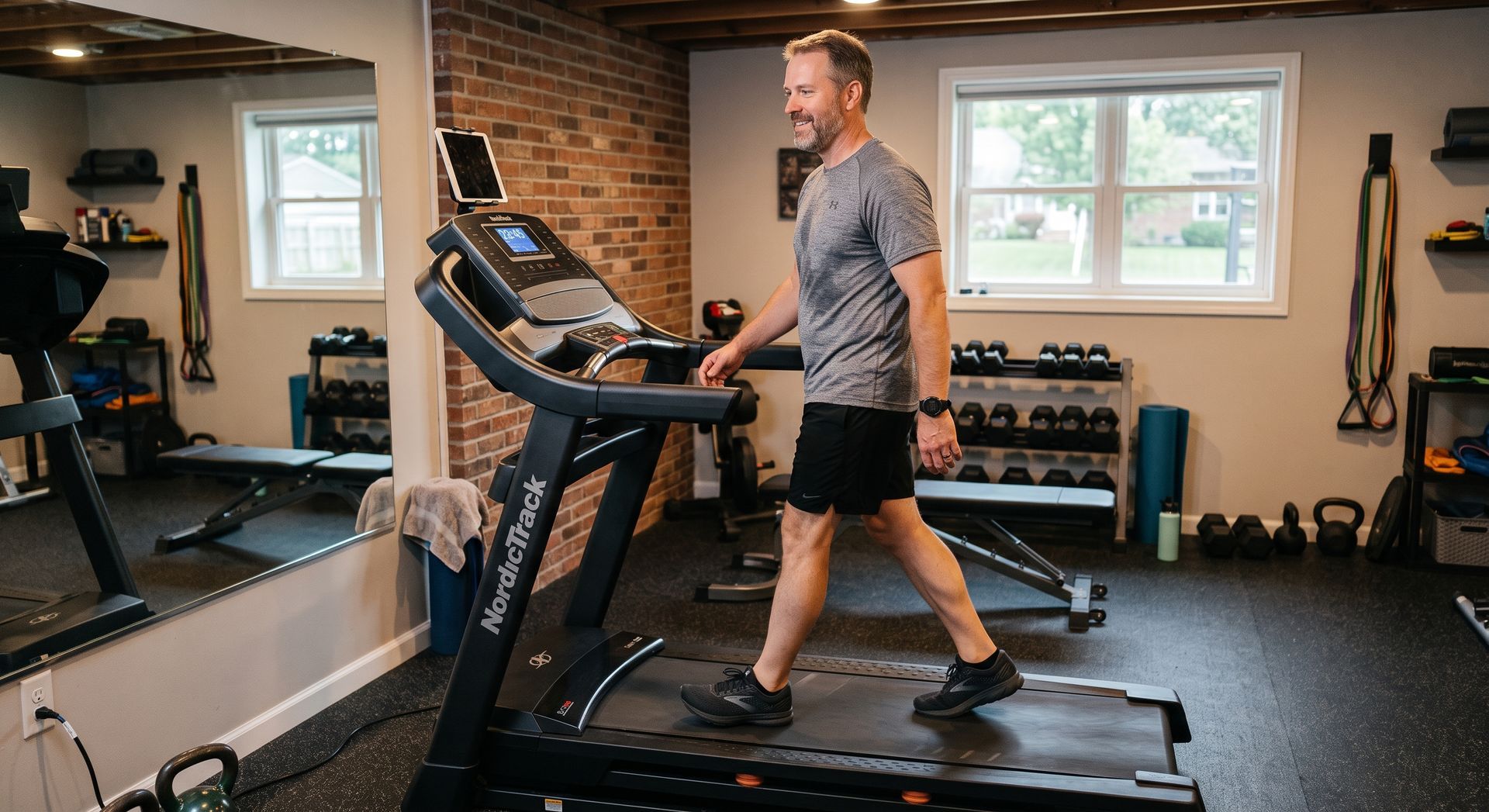
When you engage in aerobic exercise—like brisk walking, running, cycling, or swimming—your working muscles require more oxygen. To meet this demand, your heart must pump blood faster and harder. Over time, this consistent workload causes the heart’s main pumping chamber (the left ventricle) to expand slightly and build stronger muscular walls.
With each contraction, a conditioned heart can push out a larger volume of blood—a measurement known as stroke volume. Because it delivers more blood per squeeze, it doesn't have to beat as frequently to keep your body supplied with oxygen.
Key Benefits of a Stronger Heart
- Lower Resting Heart Rate: A efficient heart pumps more blood per beat, allowing it to beat fewer times per minute while you rest.
- Reduced Blood Pressure: Stronger heart muscles pump blood with less effort, reducing force on your arterial walls.
- Enhanced Endurance: Better oxygen delivery means everyday activities like climbing stairs feel significantly easier.
- Lower Cardiovascular Risk: Regular exercise improves circulation and helps prevent arterial plaque buildup, drastically reducing the risk of heart disease and stroke.
Investing just 150 minutes of moderate activity a week builds a resilient heart that supports a longer, healthier life.
Share Post
Our Recent Blogs


Leave a Reply
Your email address will not be published.
Required fields are marked *