
Expert Opinions of the New Food Pyramid
January 26, 2026

The 2025–2030 Dietary Guidelines for Americans, released in early 2026, have reintroduced a classic but controversial visual: the food pyramid. This time, however, it’s inverted, placing a massive emphasis on "real food" and sparking a heated debate among registered dietitians.
The Pros: A Return to Real Food
Many dietitians celebrate the pyramid’s aggressive stance against ultra-processed foods and added sugars.
- Emphasis on Satiety: By prioritizing high-quality protein (now recommended at 1.2 to 1.6 kg of body weight) and healthy fats, the guidelines may help people feel fuller and reduce mindless snacking.
- Gut Health: The new focus on fermented foods and whole produce is a win for the microbiome.
The Cons: Science vs. Visuals
The primary concern for experts is the "flipped" visual.
- Confusing Hierarchy: Placing meat, full-fat dairy, and butter at the top—the widest part—suggests they should be the bulk of the diet. Dietitians warn this could lead to excessive saturated fat intake, contradicting the written goal of keeping it under 10% of daily calories.
- Fiber Famine: Whole grains and legumes have been moved to the narrow bottom, which experts fear will worsen America’s existing fiber deficiency.
The Verdict: While the "eat real food" mantra is a positive step, dietitians advise using the pyramid as a starting point, not a strict rulebook.

Share Post
Our Recent Blogs
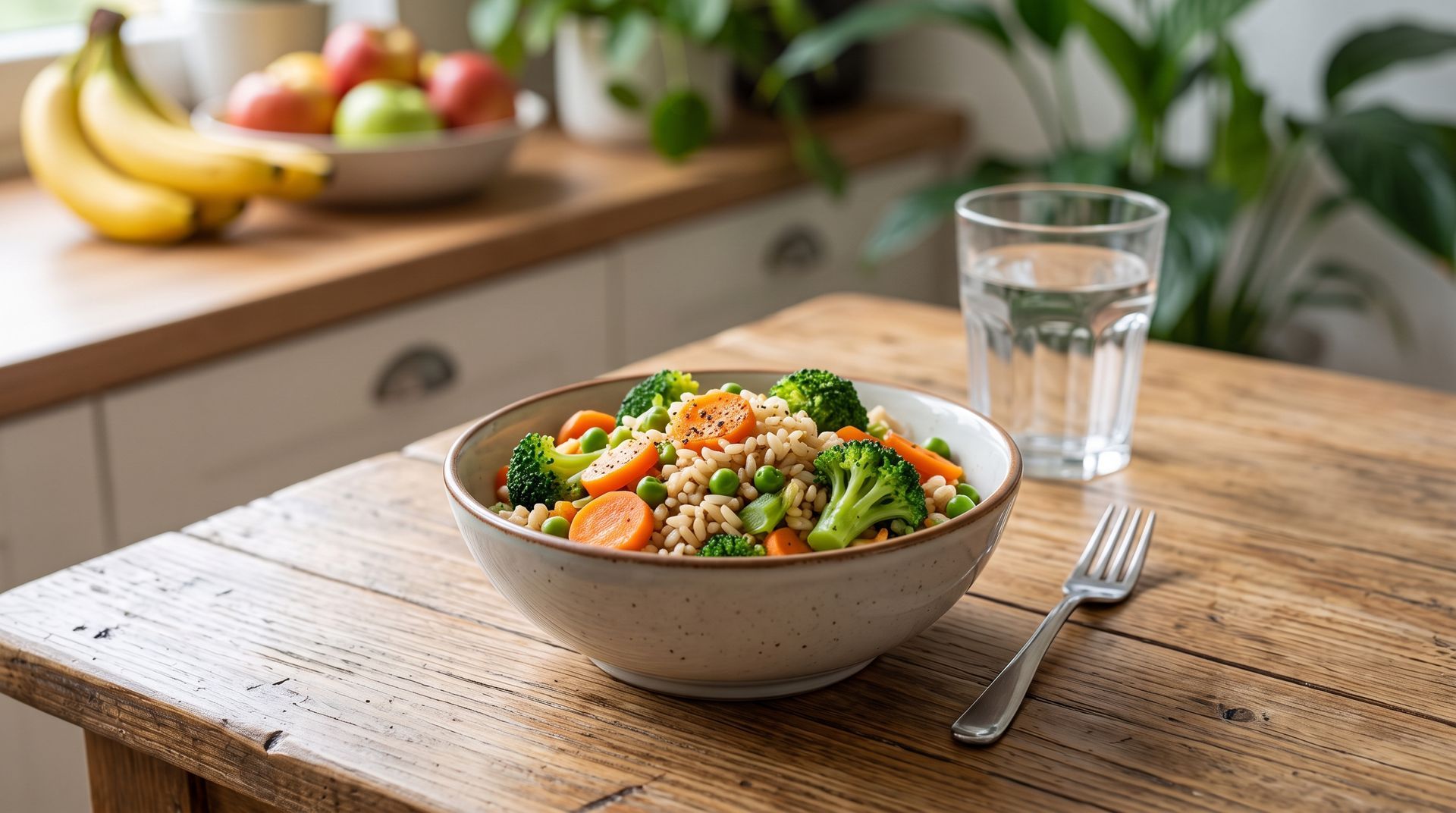
When hunger hits between meals, what’s your first instinct? For most people, "snacking" automatically brings to mind traditional "snack foods” like pre-packaged chips, processed bars, or sugary treats. But who says a snack has to come out of a wrapper? The truth is that many typical snack foods are heavily processed and offer little more than quick calories and an inevitable energy crash. If you are feeling a little hungry before your next meal or simply need an extra energy boost to get through your day, it’s time to rethink what a snack should be. Instead of reaching for convenience foods, try snacking on real food! Real food is nutrient-dense, satisfying, and fuels your body with clean, lasting energy. Next time you need a bite, consider these simple, wholesome options: Fresh fruit: Grab an apple, a handful of berries, or a banana paired with a spoonful of natural nut butter. Crunchy veggies: Enjoy sliced bell peppers, cucumbers, or carrots with hummus or a yogurt dip. Leftovers and whole grains: Who says a snack can't be savory? A small bowl of leftover brown rice with a dash of seasoning, or a mini portion of roasted sweet potatoes, makes a surprisingly delicious and filling fuel source. By shifting your mindset from "snack food" to real food, you nourish your body, sustain your fitness goals, and keep your energy steady all day long. Shifting to better snacking options takes planning and accountability. If you need help getting on track with your nutrition, we want to help.
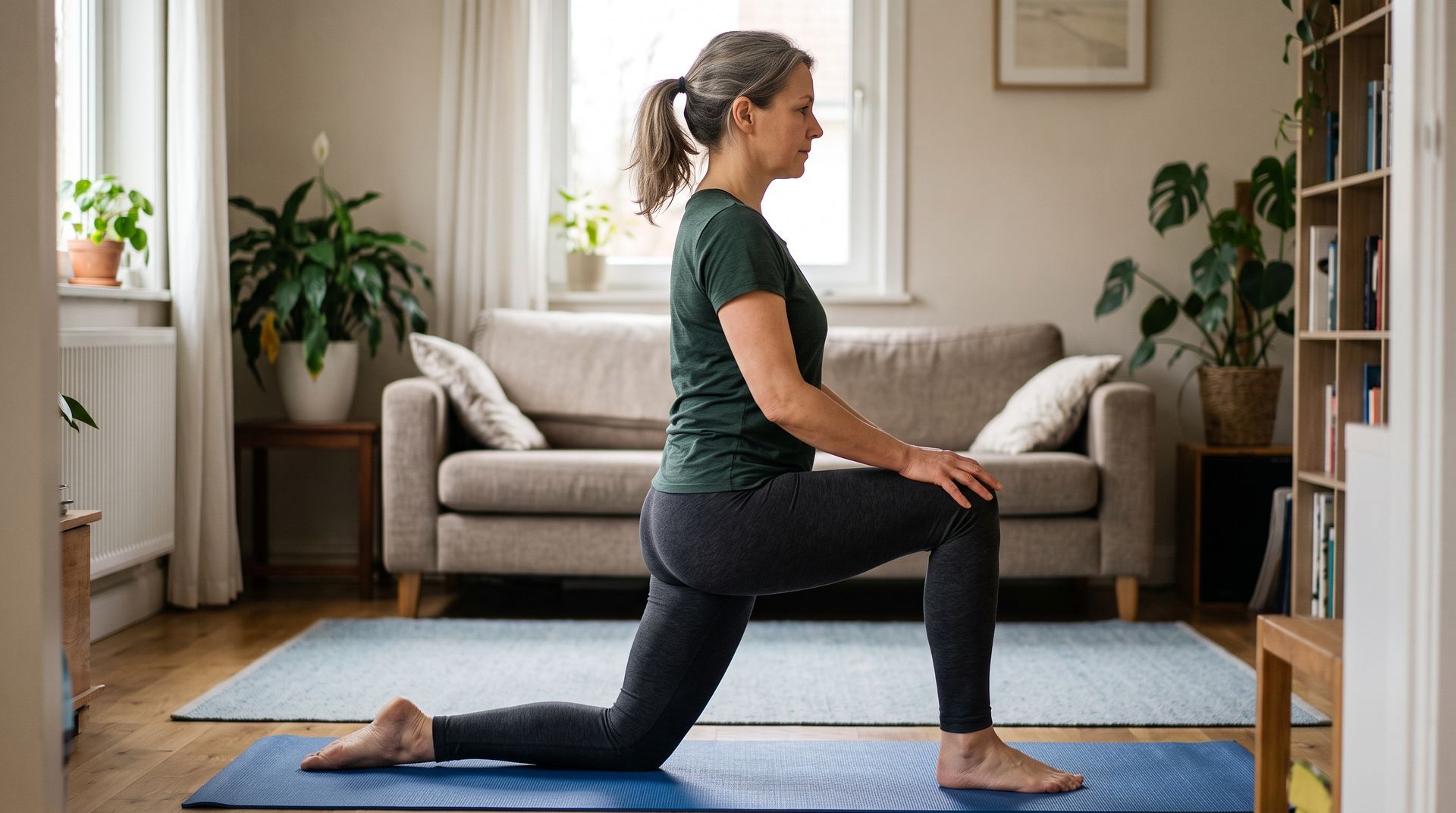
Unlock Your Mobility: 3 Essential Hip Stretches to Melt Away Tension Whether you spend eight hours a day sitting at a desk, logging miles on the road, or pushing hard at the gym, your hips bear the brunt of everyday movement. Tight hips are one of the most common physical complaints, yet they are often overlooked until lower back pain or joint stiffness sets in. Incorporating dedicated hip stretches into your weekly routine is one of the simplest and most effective ways to restore full-body mobility and keep yourself moving pain-free. Why Is Regularly Stretching Your Hips So Important? Your hips form the mechanical center of your body, connecting your upper and lower body. When the muscles surrounding the hip joint—including your hip flexors, glutes, and piriformis—become short and tight, it triggers a chain reaction throughout your entire body: • Relieves and Prevents Lower Back Pain: Tight hip flexors pull your pelvis forward into an anterior pelvic tilt. This overarches the lower spine and puts excess pressure on your lumbar muscles and discs. • Improves Posture and Alignment: Sitting for long periods keeps your hips in a constant state of flexion. Stretching opens up the front of the hips, allowing you to stand taller with less effort. • Boosts Athletic Performance & Range of Motion: Flexible hips allow for deeper squats, longer strides while running, and more powerful lateral movements in sports. • Reduces Injury Risk: When hip mobility is limited, your knees and lower spine are forced to compensate for movements they aren't designed to handle, leading to strain and joint wear. 3 Simple Hip Stretches for Maximum Mobility 1. The Kneeling Hip Flexor Stretch This stretch specifically targets the iliopsoas—the muscle group at the front of your hip that tightens significantly from prolonged sitting. How to do it: 1. Kneel on a soft surface or exercise mat. Step your right foot forward so your right knee is bent at a 90-degree angle directly over your ankle. Your left knee remains resting on the floor. 2. Keep your torso tall, engage your core, and lightly tuck your pelvis under (avoid arching your back). 3. Gently shift your weight forward into your right hip until you feel a deep stretch along the front of your left hip and thigh. 4. Hold for 30 to 45 seconds , breathing deeply. Repeat on the opposite side. 2. The Figure-4 Stretch (Reclined Pigeon) An accessible alternative to traditional pigeon pose, the Figure-4 stretch targets the glutes, deep hip rotators, and the piriformis muscle, helping relieve sciatic nerve pressure. How to do it: 1. Lie flat on your back with your knees bent and feet flat on the floor, about hip-width apart. 2. Cross your right ankle over your left knee, creating a shape that resembles the number 4. Flex your right foot to protect your knee joint. 3. Thread your hands around the back of your left thigh and gently pull your left knee toward your chest until you feel a comfortable stretch in your right outer hip and glute. 4. Keep your head and shoulders relaxed flat on the floor. Hold for 45 to 60 seconds , then switch sides. 3. The Half Pigeon Pose Pigeon Pose is a staple in yoga for good reason: it delivers an intense, deep-tissue stretch to both the hip rotators on the lead leg and the hip flexors on the back leg. How to do it: 1. Start on all fours (or in a downward dog position). Bring your right knee forward and place it behind your right wrist, angling your right shin diagonally toward your left hip. 2. Extend your left leg straight back behind you, with the top of your left foot flat on the floor and your hips squared to the front. 3. Keep your spine upright to feel a deep stretch. For a deeper release, walk your hands forward and lower your chest toward the floor over your front shin 4. Rest your forearms or forehead on the mat and hold for 45 to 60 seconds . Slowly push back up and switch legs. Tips for Safe Stretching • Warm Up First: Never stretch cold muscles. Do 5 minutes of light movement (like walking or gentle bodyweight squats) before stretching. • Breathe, Don't Bounce: Inhale deeply through your nose and exhale as you settle into the stretch. Avoid bouncing movements, which can cause muscle micro-tears. • Listen to Your Body: You should feel a mild, comfortable pull—never sharp or stabbing pain. If you experience joint discomfort, reduce the depth of the stretch. Consistency is key! Spending just 5 to 10 minutes performing these stretches daily will help keep your hips mobile, your spine supported, and your body feeling its best.
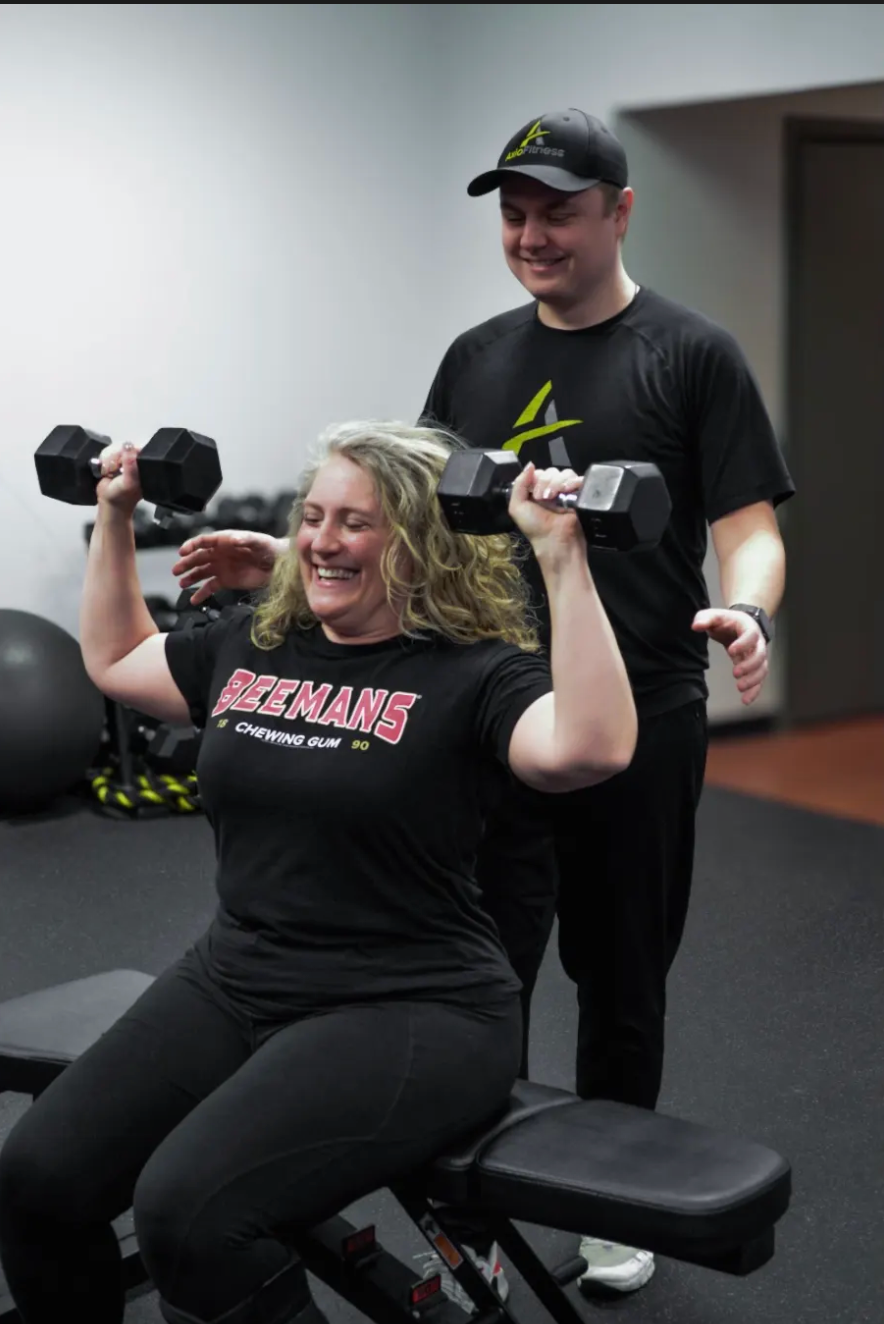
Your Resting Metabolic Rate (RMR) represents the total number of calories your body burns at complete rest to carry out basic life-sustaining functions, such as breathing, circulating blood, and repairing cells. Because RMR accounts for up to 75% of your total daily calorie expenditure, finding ways to elevate it is key to long-term metabolic health and weight management. Building lean muscle mass through weight training is the single most effective strategy for permanently boosting your RMR. Muscle tissue is metabolically active, meaning it requires constant energy just to maintain itself. As you increase your muscle mass, your body inherently burns significantly more calories 24 hours a day, even while you sleep. While traditional cardio workouts are great for burning calories during the actual exercise session, they do almost nothing to increase your resting metabolic rate once the workout is over. Resistance training, on the other hand, fundamentally upgrades your metabolic engine. By lifting weights and increasing lean muscle, you transform your body into an efficient, calorie-burning machine long after you leave the gym. Axio Fitness has been boosting RMR’s for hundreds of older adults in the Mahoning Valley for years. If you want help getting started on the proper weight training program for you, we are here to help!
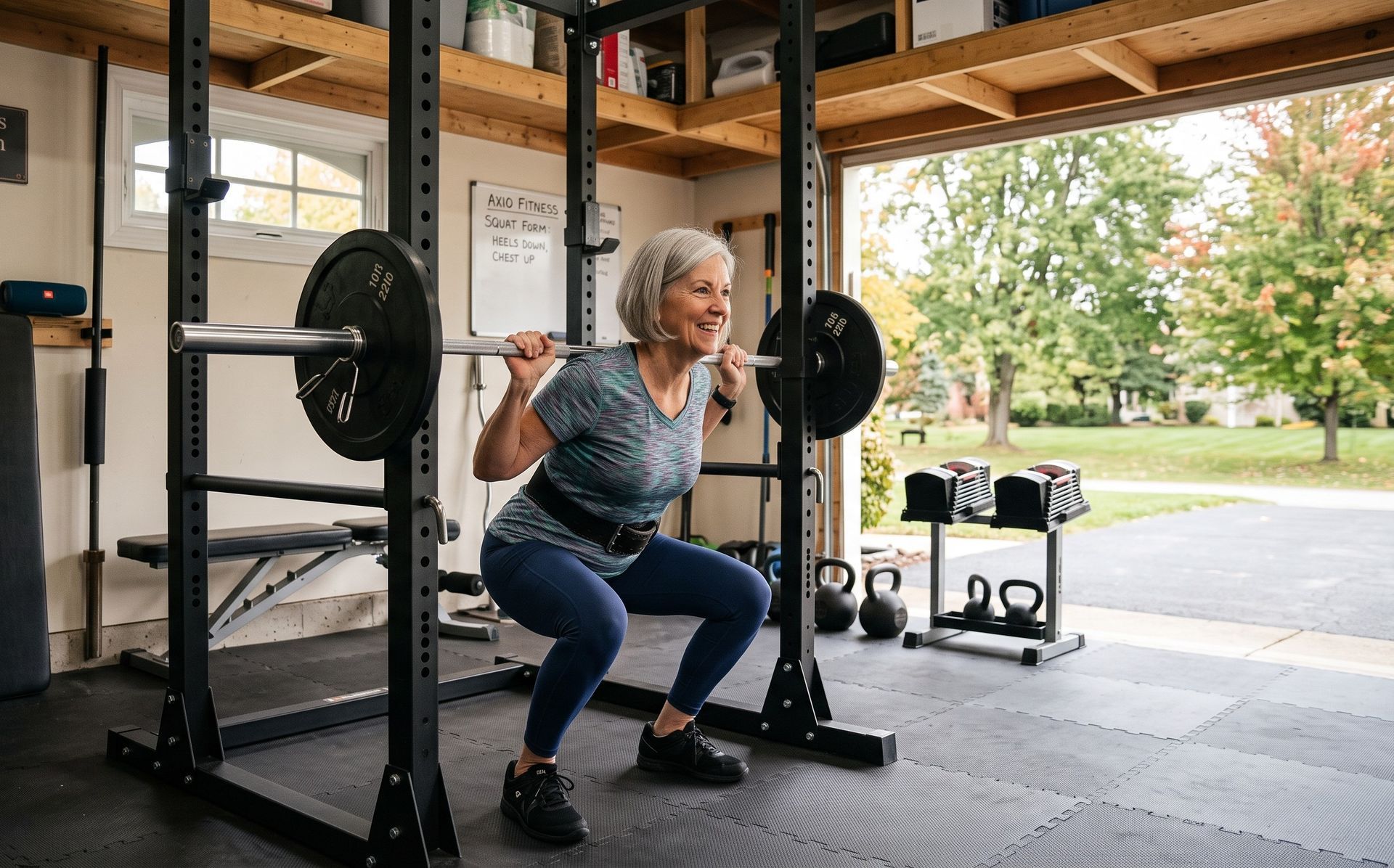
The squat is the king of lower-body exercises, but poor form can stall your results or cause injury. Here are three common squat mistakes and quick fixes to improve your technique today. Knees Caving Inward (Valgus Collapse) The Mistake: Your knees collapse inward as you drive up from the bottom of the squat, placing unnecessary stress on the knee joint. The Fix: Screw your feet into the ground and actively push your knees outward so they track in line with your second toe. Heels Lifting Off the Floor The Mistake: Shifting your weight onto your toes causes your heels to rise, reducing power and straining the Achilles tendon. The Fix: Drive your weight back into your heels and mid-foot. If ankle mobility is tight, elevate your heels slightly on small weight plates. Rounding the Lower Back (The "Butt Wink") The Mistake: Losing a neutral spine at the bottom of the movement tucks the pelvis under, stressing the lower back. The Fix: Brace your core like you are about to take a punch, sit back into your hips, and only squat as deep as your form allows without rounding. Fixing these small cues will protect your joints and help you build strength faster. If you need help with proper exercises for progress, Axio Fitness is here to help.
Leave a Reply
Your email address will not be published.
Required fields are marked *