Cold Showers

December 11, 2023

A jagged dark mass curves beneath a bright, white background.

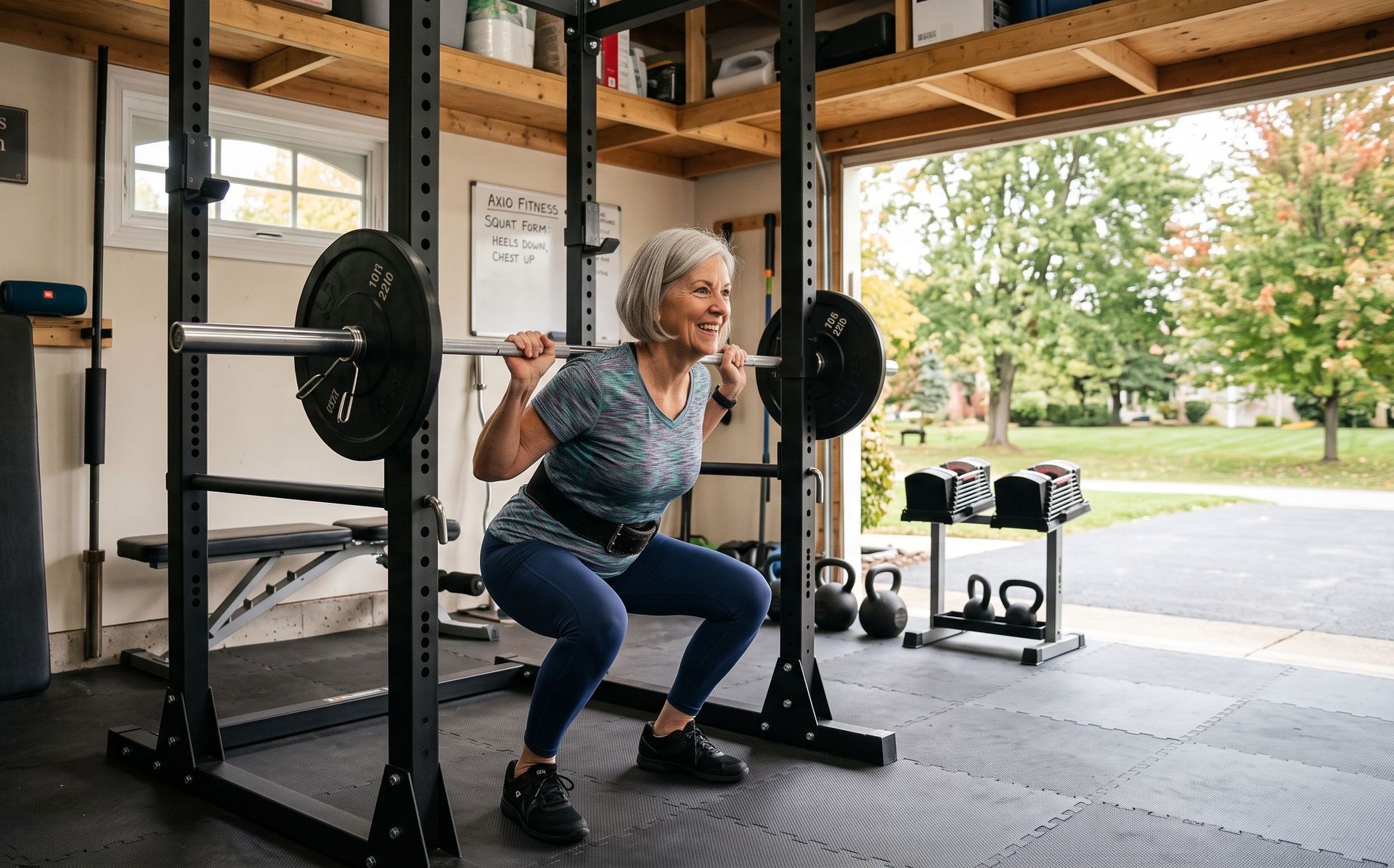
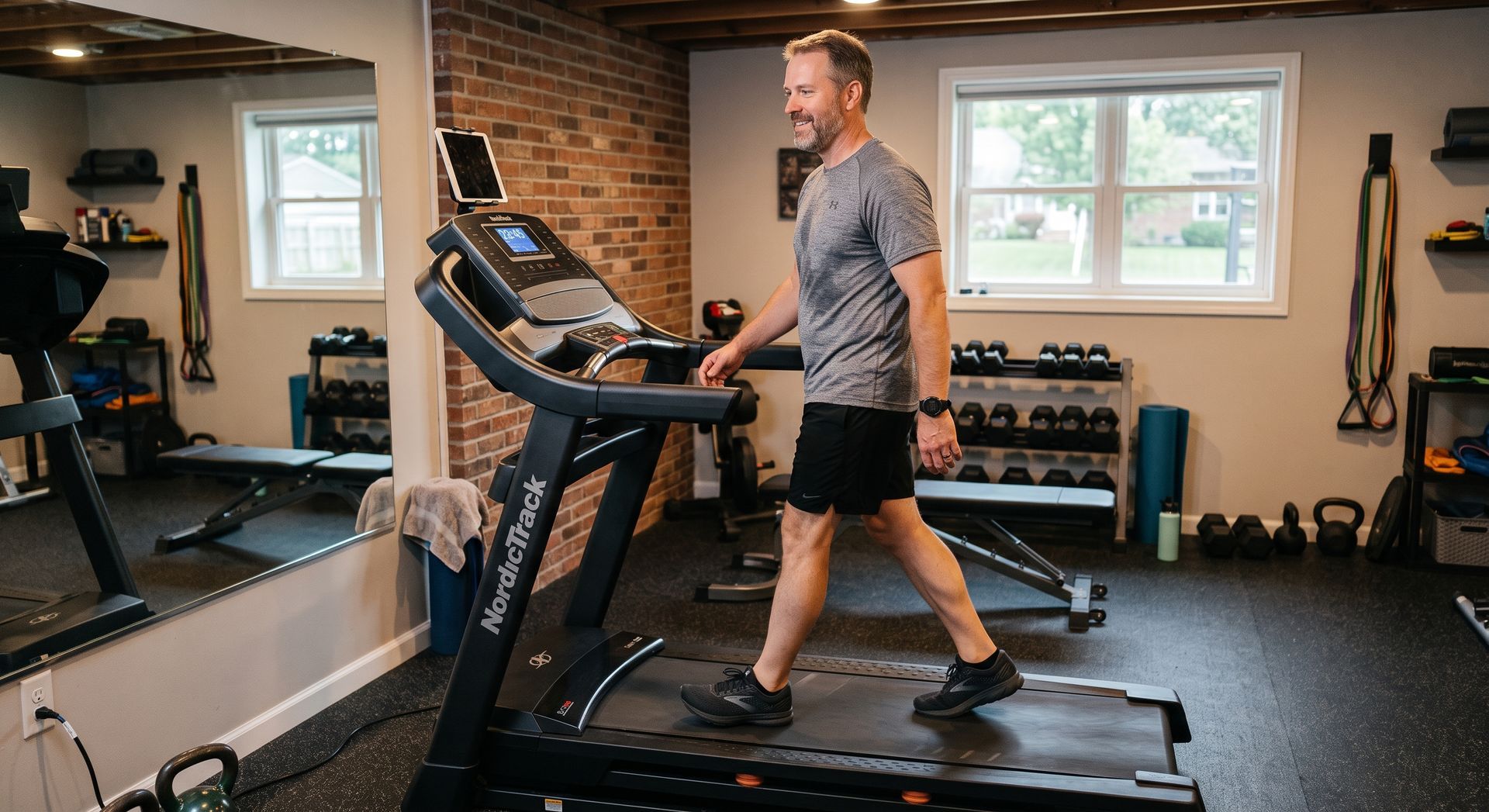
It was a Friday morning in December, and I was off to a great start to the day. I got up at 5:00 and did some cardio and weight training and I was feeling sweaty, accomplished, and ready to conquer the workday. 

I was back home by 6:45 to take a shower and head to work. Then it happened… I realized I had no hot water! With all the options running through my head, I decided I was too busy with meetings and tasks to do anything but power through a cold shower and head to work. It was the fastest shower of my life.

However, when I was done, I felt amazing! I thought perhaps it was due to accomplishing the mental fortitude and pain tolerance of a cold shower. But then I remembered some Axio trainers discussing the benefits of a cold shower. Some of our trainers even take cold showers on a regular basis.

According to research, here are just five reasons why cold showers are good for you: 

1. It boosts your metabolism and promotes weight loss.

2. It helps reduce inflammation and joint pain. 

3. It boosts your immune system.

4. It improves circulation.

5. It combats the symptoms of depression while improving your mood and energy. 

As it often goes, my water heater needed a new part that took a week to come. So, I took two showers elsewhere, but 5 cold showers in a week. I can tell you from experience you truly do feel good the rest of the day after taking a cold shower. And it gets easier; I was able to take longer, more normal showers each time.

If you want a mental and physical challenge that offers a lot of potential benefits, try taking a cold shower once a week. But a cold shower does not mean the entire shower needs to be cold. Many people shower normally, and then turn the water to cold for the final 2-3 minutes of the shower to experience the health benefits. 

Share Post

Our Recent Blogs

February 24, 2026
Staying committed to a fitness journey is rarely a straight line, and that is exactly where a personal trainer becomes your greatest asset. When you first set out toward a new health milestone, your initial excitement provides plenty of fuel, but that natural surge eventually fades. A trainer steps in to bridge the gap between fleeting inspiration and disciplined habit by providing a layer of external accountability that is difficult to replicate on your own. They ensure that on the days when your bed feels warmer than the gym floor, you still show up because someone is waiting for you with a plan tailored specifically to your needs. Beyond just physical presence, a trainer helps you navigate the psychological shift between short-term wins and long-term transformations. It is easy to get discouraged when the scale does not move for a week, but a professional can highlight the non-scale victories that prove your long-term trajectory is still on track. By breaking down daunting life changes into manageable weekly targets, they prevent burnout and keep your eyes on the prize. Having a dedicated expert in your corner transforms the lonely grind of exercise into a collaborative mission, ensuring that your motivation remains steady until your goals become your new reality. 
February 16, 2026
Most people think of physical therapy as something that happens after the surgeon stitches you up. However, engaging in "Pre-habilitation" —targeted personal training before your procedure—is one of the best investments you can make for your recovery. Think of it as preparing for a marathon. You wouldn't run 26 miles without training; similarly, surgery is a major stressor on the body. Working with a trainer beforehand helps build a "functional reserve." By strengthening the muscles surrounding the surgical site and improving cardiovascular health, you give your body a head start. The Benefits of Pre-Hab Faster Recovery: Patients with higher baseline strength often hit mobility milestones weeks earlier than those who don't train. Reduced Complications: Improved circulation and heart health lower the risk of post-op issues like blood clots or respiratory infections. Mental Readiness: Training builds the discipline and confidence you’ll need during the challenging post-op rehab phase. Entering the operating room at your strongest doesn't just make the surgeon's job easier—it ensures you get back to the life you love much faster.  If you need “Pre-habilitation”, Axio Fitness would love to help. Contact us to learn more about how we can help prepare for an upcoming surgery.
February 3, 2026
We’ve all been there: Monday morning starts with a burst of motivation, but by Thursday, life gets in the way. Suddenly, your fitness goals are pushed to “next week.” If you find yourself stuck in a cycle of starting and stopping, you aren’t lacking willpower—you’re likely lacking accountability. At Axio Fitness, we believe that the greatest value of a personal trainer isn’t just the workout plan; it’s the consistency they bring to your life. Here is why a trainer is a game-changer for your goals: Appointment-Based Success: You are far less likely to skip a workout when someone is waiting for you. That scheduled time becomes a non-negotiable part of your day. Expert Guidance: On days when your energy is low, your trainer adjusts the intensity so you still make progress without burning out. Mental Support: We help you navigate the "plateaus" where most people usually quit. Consistency is what transforms a temporary resolution into a lifelong habit. Let us help you bridge the gap between where you are and where you want to be.
January 26, 2026
The 2025–2030 Dietary Guidelines for Americans, released in early 2026, have reintroduced a classic but controversial visual: the food pyramid. This time, however, it’s inverted, placing a massive emphasis on "real food" and sparking a heated debate among registered dietitians. The Pros: A Return to Real Food Many dietitians celebrate the pyramid’s aggressive stance against ultra-processed foods and added sugars. Emphasis on Satiety: By prioritizing high-quality protein (now recommended at 1.2 to 1.6 kg of body weight) and healthy fats, the guidelines may help people feel fuller and reduce mindless snacking. Gut Health: The new focus on fermented foods and whole produce is a win for the microbiome. The Cons: Science vs. Visuals The primary concern for experts is the "flipped" visual. Confusing Hierarchy: Placing meat, full-fat dairy, and butter at the top—the widest part—suggests they should be the bulk of the diet. Dietitians warn this could lead to excessive saturated fat intake, contradicting the written goal of keeping it under 10% of daily calories. Fiber Famine: Whole grains and legumes have been moved to the narrow bottom, which experts fear will worsen America’s existing fiber deficiency.  The Verdict: While the "eat real food" mantra is a positive step, dietitians advise using the pyramid as a starting point, not a strict rulebook.
More Posts

Leave a Reply

Your email address will not be published.

Required fields are marked *

Save my name, email, and website in this browser for the next time I comment.